Contact us




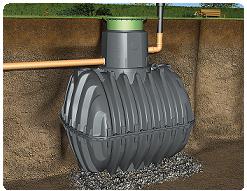
A cesspit consists of a covered pit into which raw waste is discharged . The liquid waste is taken off by seepage while the pit retains the sludge. Cesspools are particularly dangerous in areas where ground water is less than 20 feet from the surface and on properties where shallow wells are in use. They should be used only when construction of a septic tank is impossible.
Cesspools are only installed in areas and where a septic tank or treatment plant cannot be installed. Here at Simple Eco, we always consider the options that are available to your circumstances and we will provide a report and quotation for the preferred method of sewage disposal.
Cesspits are completely sealed tanks which collect all the effulent. They require frequent emptying due to not having any drainage facility. A modern cesspit serving a single domestic household normally has a capacity of approximately 4,000 gallons / 18,000 litres.
The major flaw of the cesspit has always been that it requires regular emptying. This costs money and can be inconvenient. A cesspit is simply a sealed tank in the ground designed to store effluence from a property. Whilst still widely used, many property owners are choosing to convert their cesspit into a more sustainable equivalent, such as a self-contained sewage treatment plant.
A cesspit consists of a covered pit into which raw waste is discharged . The liquid waste is taken off by seepage while the pit retains the sludge. Cesspools are particularly dangerous in areas where ground water is less than 20 feet from the surface and on properties where shallow wells are in use. They should be used only when construction of a septic tank is impossible.
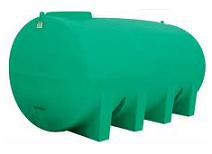
Silage tanks are manufactured in the same sizes as cesspools, and are used for the storage of more toxic natural or chemical waste. Silage tanks are manufactured using special resins designed to be resistant to aggressive silage effluent and to comply with all statutory regulations.
Silage effluent has the potential to cause severe environmental damage if allowed to enter a watercourse as it has a very high BOD (Biochemical Oxygen Demand), up to 200 times greater than that of domestic sewage. Therefore, if it enters a watercourse it can very quickly remove all of the oxygen and kill off all aquatic life withing the ecosystem.
As silage effluent has caused numerous severe pollution incidents in the countryside, there are now a number of very strict statutory controls to regulate its collection and storage.
A typical application for a silage tank would be for a touring caravan site where a collection vessel was required to hold elsen waste from chemical toilet cassettes.
